



 DailyPay Platform
 Small Business
 Cycle
Cycle Tips
Tips  Perks
Perks 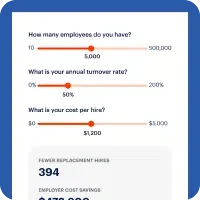









Financial stress isn’t just a personal problem for your employees. Stress can be a productivity killer for your company as well.
When employees are worried about how they’ll cover an unexpected car repair or manage their monthly bills, they may not be able to bring their best selves to work.
Traditional benefits like health insurance are an imperative, but companies need to go a step further to support overall employee wellness. To truly support employees and build a more resilient workforce, you need to think about financial wellbeing as a daily priority.
Let’s take a look at how you can weave financial wellness into your organization to support your team.
What Is Employee Financial Wellness and Why It Matters
It’s a common misconception that financial wellness is just about a high salary. In reality, it’s about your employees’ overall relationship with their money.
Core Components of Financial Wellness
Financial wellness isn’t a single perk; it’s a toolkit. It generally covers four pillars:
- Budgeting and Daily Management: Having enough to cover monthly expenses.
- Stability: Having a safety net for emergencies.
- Future Goals: Being on track for retirement or major life milestones.
- Education: Having the confidence and literacy to make informed decisions.
The Impact of Financial Stress on Employees and Employers
By giving employees access to On-Demand Pay, you can help reduce their financial stress.
According to a DailyPay user survey, 50% of users say DailyPay helps reduce their financial stress.
Not only does this stress hurt your employees, but if they can’t bring their best selves to work, it can negatively impact your output and bottom line.
The Benefits of Financial Wellbeing in Your Benefits Package
Productivity, Retention, and Reduced Absenteeism
An employee who isn’t moonlighting or stressing over a payday loan is an employee who stays. Offering modern solutions like On-Demand Pay helps people bridge the gap between paychecks, directly improving employee retention and reducing the high cost of turnover.
Engagement, Trust, and Employer Brand
Being an ally to your employees builds an additional level of trust. When you provide tools that actually help them manage their lives, you’re not just giving them a paycheck but also supporting them in their financial success.
Step-by-Step Guide: Implementing Financial Wellness Benefits and Policies
1. Assessing Employee Needs and Gaps
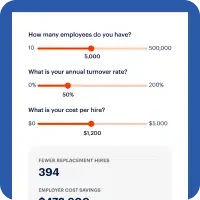
Don’t guess what your team needs. Use surveys or focus groups to find out where the friction is. Are they struggling with student loans? Do they lack an emergency fund? You can even use an employee turnover cost calculator to see how much financial-related attrition is currently costing you.
2. Selecting the Right Financial Wellness Programs
Look for solutions that offer immediate impact. A robust employee financial wellness strategy often includes:
- On-Demand Pay: Giving employees real-time access to earned pay so they can avoid predatory loans.
- Financial Wellness Resources: Tools, content, and access to experts to help employees reach their financial goals.
- Savings Tools: Tools that help employees “set and forget” their emergency fund contributions.
3. Communicating and Driving Adoption
The best benefit in the world won’t work if no one knows it exists. Use clear, jargon-free language. Skip the “financial literacy” lectures and focus on “how this helps you today.”
4. Integrating with Existing Benefits
Your financial wellness tools should work in harmony with your health plan and retirement options.
Ensure your On-Demand Pay solutions are integrated directly into your payroll system for a seamless experience.
Measuring the Success of Your Financial Wellbeing Programs
We’re straight-talkers: if you can’t measure it, you can’t improve it.
- KPIs and Performance Metrics: Track employee adoption for On-Demand Pay and usage across other features including your financial wellness resources.
- Employee Feedback: Regularly check in with your team to see if they are making progress with their financial goals and reducing stress.
- Retention Data: Monitor if turnover rates drop in the six to twelve months following the rollout of new financial wellness resources.
Tools and Resources To Support Financial Wellness
Building a culture of financial health requires more than a “good luck” email. You need a mix of tech and human support to meet people where they are.
Financial Wellness Platforms
The most effective tools are the ones that integrate directly into an employee’s daily life. Modern platforms allow employees to see their pay build in real-time. This visibility changes the psychological relationship with work; it’s no longer a distant reward, but a tangible resource they control.
Education, Coaching, and Workshops
While tools provide the how, education provides the why.
- 1-on-1 Coaching: Offers a safe, non-judgmental space to tackle debt or credit scores.
- Workshops: Group sessions on home buying or student loan forgiveness can build community and reduce the stigma around talking about money.
- Digital Content: Provide a resource center with bite-sized videos and calculators that respect your reader’s time.
Case Studies: Financial Wellbeing in Action
Across industries like healthcare, retail, and manufacturing, companies are seeing that On-Demand Pay is a competitive advantage.
- Just Salad saw a significant drop in turnover after implementing DailyPay. Working with Dailypay has also significantly improved employee financial security and bolstered their workforce.
- Honeygrow partnered with DailyPay and OneEleven to offer On-Demand Pay and financial wellness coaching to its employees. This initiative helped reduce employee turnover by improving financial well-being, resulting in significant cost savings and a more engaged workforce.
Ready To Bridge the Financial Wellness Gap for Your Team?
We can help you turn financial wellness from a buzzword into a tangible benefit that keeps your best people on board.
Frequently Asked Questions
-
What is financial wellbeing in employee benefits?
It’s a suite of tools and policies designed to help employees manage debt, handle unexpected expenses, and save for the future without the stress of living paycheck to paycheck.
-
How do companies start a financial wellness program?
Start with a foundational tool like On-Demand Pay to provide immediate relief, then layer in long-term resources like 401(k) matching and financial coaching.
-
Which financial wellbeing benefits are most effective?
The most effective benefits are active rather than passive. Tools that offer real-time access to pay or automated savings see much higher engagement than a PDF handbook on budgeting.
-
How does financial wellbeing impact employee retention?
By reducing financial noise and stress, employees feel more supported and loyal. You can calculate the cost of employee turnover to see the direct impact financial stress has on your bottom line.
-
How should financial wellness success be measured?
Look at a mix of high-level data (turnover rates, absenteeism) and sentiment data (employee NPS and stress-level surveys).
All information herein is for educational purposes only and should not be relied upon for any other use. The information herein does not constitute the rendering of financial, business, accounting, securities, tax or legal advice, or other professional advice by DailyPay. No fiduciary obligation or duty exists or is created, between you and DailyPay. DailyPay does not warrant the completeness or accuracy of any information provided to you.
1 DailyPay User Survey, February 2025 :DailyPay, 2020
